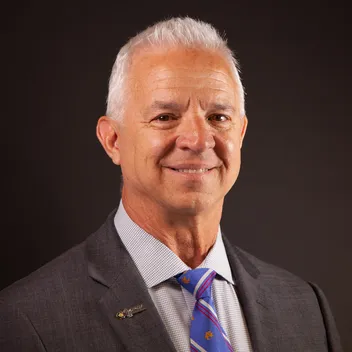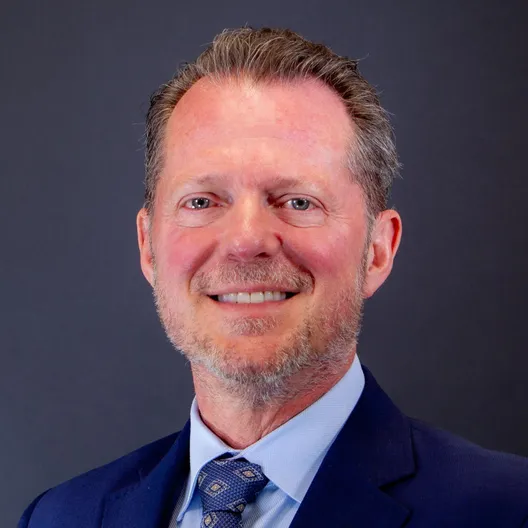
Jim operates at the intersection of requirements, acquisition, and budget—helping clients translate complex mission needs into executable programs, aligned funding, and fielded capability.
A retired United States Air Force Colonel with 30 years of service, Jim brings a rare combination of operational credibility and headquarters-level strategy. He is a trusted advisor to senior leaders across government and industry, known for aligning technical solutions to mission outcomes and accelerating capability delivery within the Defense Industrial Base. His work focuses on closing the gap between concept, programmatics, and operational execution—particularly in areas requiring integration across platforms, weapons, and digital architectures.
Jim has led strategy and business development efforts across a broad range of defense priorities, including advanced munitions, digital engineering, open architectures, and enterprise-level portfolio solutions. He is recognized for structuring winning approaches in complex acquisition environments, shaping opportunities early, and guiding clients through the full lifecycle from concept through capture and execution. His approach emphasizes disciplined analysis, speed of decision-making, and practical integration of emerging technologies into operational systems.
Jim's Air Force career spanned operational command, combat aviation, and senior headquarters leadership. He commanded at the squadron and group level and was consistently ranked among the top commanders in the Air Force, including #1 of 141 squadron commanders at the Numbered Air Force level.
At Headquarters Air Force, he served as Chief of the Combat Forces Division and as a leader within the Air Force Warfighting Integration Capability (AFWIC). In these roles, he was a principal architect of long-term force design and investment strategy, advising senior leaders on force structure, modernization, and affordability across the Future Years Defense Program and beyond. He developed integrated force design solutions spanning aircraft, munitions, basing, and sustainment. His work directly informed CSAF and SECAF decisions to materially change budget guidance for a portfolio of platforms and weapons that wargame improved outcomes by optimizing the balance of capability, capacity, and cost.
As a combat fighter pilot with over 3,800 flight hours and 600 parachute jumps, Jim flew the F-111F and A-10 in global operations. He also served with the 82nd Airborne Division (2/325), bringing a joint and ground-integrated perspective to airpower employment.